Reliable proximity sensor testing plays a vital role in strengthening modern automation systems by ensuring accurate detection, consistent performance, and stable operation in various environments. As automation continues to expand across industries, the demand for precise sensing technology increases significantly. Proper testing helps confirm that sensors respond correctly to objects without physical contact, improving efficiency and reducing operational risks. By validating performance under different conditions, testing supports smooth workflow integration and enhances system dependability in high-speed and complex applications. It plays a key role in maintaining consistency across high-speed production lines and intelligent control systems.
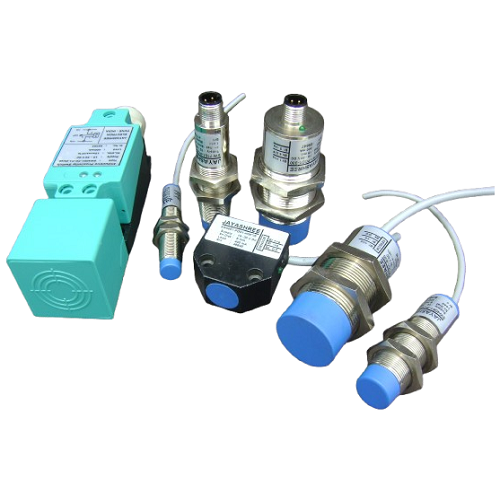
Importance of Reliable Testing
Reliable testing ensures that proximity sensors deliver accurate signals and maintain stability in demanding automation environments especially where precision and uninterrupted workflow is essential.
- Ensures consistent object detection accuracy
- Reduces chances of false triggering in systems
- Improves operational safety in automated processes
- Enhances system responsiveness and control precision
- Supports long-term performance stability
- Supports predictive maintenance strategies
- Minimizes production errors in automated workflows
Testing Methods and Validation
Various testing methods are used to validate sensor performance across operational conditions in both controlled and real-world environments. Engineers often perform proximity sensor test procedures to ensure accurate detection and maintain smooth industrial automation system performance daily.
- Functional response testing for detection accuracy
- Distance calibration checks for sensing range reliability
- Environmental condition testing for heat, dust, and vibration resistance
- Signal stability testing under continuous operation
- Interference resistance testing in complex setups
- Long-term endurance testing under repeated cycles
- Precision alignment verification for installation accuracy
Key Benefits
Reliable sensor testing contributes significantly to improved automation efficiency and system durability leading to improved output quality and operational excellence.
- Increased productivity through precise automation control
- Reduced downtime due to fewer sensor failures
- Improved safety in machine operations
- Better integration with automated systems
- Enhanced quality control in production processes
- Strengthens scalability of automation systems
- Supports energy-efficient operational performance
Applications in Automation Systems
Proximity sensor testing supports a wide range of automation applications across industries supporting diverse industrial automation requirements.
- Material handling and conveyor systems
- Robotics and automated assembly lines
- Packaging and sorting systems
- Process control and monitoring setups
- Smart manufacturing environments
- Autonomous vehicle and smart mobility systems
Quality Assurance Factors
Several quality assurance factors ensure reliable sensor performance in automation systems ensuring dependable operation in demanding conditions.
- Calibration consistency across production batches
- Durability under continuous industrial usage
- Resistance to environmental stress conditions
- Stability in high-speed operational environments
- Precision in real-time detection tasks
- Enhanced reliability in critical automation tasks
Reliable proximity sensor testing remains essential for ensuring the success of advanced automation systems. By validating performance, improving accuracy, and maintaining operational stability, testing strengthens overall system efficiency. It helps industries achieve smoother workflows, better safety standards, and higher productivity levels. With consistent evaluation and quality assurance practices, automation systems become more dependable and adaptable to evolving industrial demands, supporting long-term technological progress and operational excellence across modern industrial systems.
